

Introduction
In 2022 the FIFA World Cup was hosted by Qatar, a small country in the Middle East, near the equator. FIFA were so concerned about the heat that they rescheduled the event to the cooler months of December and January and installed air conditioning units in all stadiums. Here we are again, another FIFA World Cup and another heat issue, this time in the height of summer in the USA, Canada and Mexico.
Research published in the International Journal of Biometeorology modelled 20 years of weather data across all 16 host cities. The findings are stark: 14 of 16 cities regularly exceed a Wet Bulb Globe Temperature (WBGT) of 28°C during June and July. That is the threshold at which governing bodies recommend considering postponement of play. Houston, Dallas and Miami face conditions above this level on more than 80% of June and July days. Four venues can reach 32°C WBGT in afternoon conditions, and historical peak readings across host cities have reached 35°C.
The physiological impact is measurable. Core temperature during professional football in hot conditions can reach 39.7°C compared with 38.8°C in temperate environments. Performance impairments become increasingly likely above 39°C, with heat illness risk rising above 40.5°C. At the 2014 World Cup, when WBGT exceeded 28°C, sprint frequency fell by roughly 10% and high-intensity running dropped by 24.8 metres per minute per player. Up to 92 of 104 matches at this tournament could be played under similarly stressful conditions.
Heat also changes the metabolic cost of playing football. Research by Rosbrook et al. (2024) found that exercising in hot versus temperate conditions at the same external workload increased heart rate by around 20 bpm, carbohydrate oxidation by 25-33%, energy expenditure by 7-9%, and sweat rate by approximately 70%. The heat extracts a toll on fluids, fuel and physiology all at once.
FIFA has responded by mandating three-minute hydration breaks in each half of every match. These breaks provide a structured window for cooling, fluid delivery and carbohydrate intake. But cooling breaks slow the rate of core temperature rise rather than preventing it. That means teams must build their own integrated strategies across four areas: hydration, fuelling, cooling and supplementation.
Hydration
The Sweat Deficit Problem
Even elite players with full sports science support consistently fail to match sweat losses with fluid intake. Rollo et al. (2021) studied FC Barcelona first-team players and found that in hot, high-intensity conditions sweat rates reached 1.43 L per hour, while fluid intake averaged just 0.66 L per hour. Suarez-Ortegon et al. (2024) recorded similar findings in professional players training at 32°C and 79% humidity, with sweat rates of 1.7 L per hour against intake of just 1.1 L per hour. Over 90 minutes, that can represent a fluid deficit approaching a litre.
The performance consequences are real. Losing 2% of body mass through dehydration has been associated with a 13-15% reduction in football-specific performance measures, including passing accuracy, shooting execution and sprint capacity. A 75 kg player losing 2% has shed 1.5 kg of fluid. This is a very real performance issue.
Compounding the challenge, Rollo et al. (2021) found that only 21-29% of elite players were euhydrated before training sessions. Most began already underhydrated. In a tournament environment, with travel across time zones, media commitments, compressed sleep and back-to-back match weeks, that problem only gets worse.
Sodium: the Missing Piece
Water alone is not enough. Rollo et al. (2021) recorded sodium losses of approximately 54 mmol per hour in hot, high-intensity conditions, equivalent to roughly 1,240 mg of sodium per hour. Suarez-Ortegon et al. (2024) calculated mean sweat sodium concentrations of approximately 614 mg per litre, producing estimated hourly losses approaching 1,040 mg. Most standard sports drinks provide just 300-500 mg of sodium per litre.
The variation between players is enormous. Shirreffs (2010) found that sweat salt losses during a 90-minute session ranged from less than 1 g to more than 13 g between players in the same team. That is a ten-fold difference. Larger, more muscular players such as centre backs and powerful forwards tend to lose disproportionately more sodium. Identifying these individuals through sweat testing before the tournament is a genuine competitive advantage.
Muscle cramping is also worth noting here. The evidence is mixed, with both neuromuscular fatigue and electrolyte depletion likely to contribute. However, in American footballer research, athletes with high sweat sodium losses were approximately nine times more likely to cramp, and carbohydrate-electrolyte drinks delayed cramping onset by around 22 minutes. In extreme heat conditions, targeted sodium replacement throughout the match is a practical priority.
The FIFA Hydration Break: More Than a Water Stop
For teams with a plan, the three-minute FIFA hydration break is a targeted delivery window, not just a pause. Performance nutritionists will also pre-position water bottles at corners, goals and the technical area before kick-off, giving players access to fluid at every dead-ball situation: goal kicks, throw-ins, injuries and stoppages.
During the official break, the priority is cold electrolyte solutions, electrolyte ice lollies and carbohydrate alongside fluid. Esh et al. (2026) specifically recommend carbohydrate-electrolyte solutions as the preferred drink strategy in hot conditions, beginning hydration several hours before kick-off and continuing through all available windows during and after the match.
Post-match, the target is to replace 150% of body mass lost, approximately 1.5 litres of electrolyte-containing fluid per kilogram of mass deficit, with sodium essential to stimulate thirst and support plasma volume ahead of the next fixture.
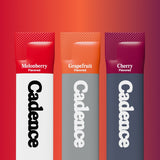
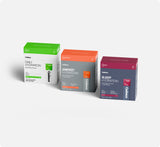
Products like the Cadence Daily Hydration Sachets sit well within the pre-match and post-match hydration windows, offering a convenient and portable format for electrolyte delivery that can be tailored to individual sweat profiles. Players should be encouraged to drink the Daily Hydration RTD with meals in preparation for training and games.
Fuelling
Why Carbohydrate Matters More in the Heat
Football is a glycogen-dependent sport. Carbohydrate provides approximately 60-70% of match-day energy. The modern game is more explosive than ever, with high-intensity actions up 30-50% and sprint frequency risen by around 85% compared to previous decades. Williams and Rollo (2015) found that a single six-second sprint draws roughly 50% of its ATP from muscle glycogen. Every pressing action, counterattack and recovery run pulls on the same finite reserve.
After a match, up to 80% of Type I muscle fibres and 70% of Type II fibres can be nearly empty. Recovery takes up to 72 hours. When teams have just three days between knockout matches, recovery nutrition is as important as match-day nutrition.
Heat makes all of this worse. Mougin et al. (2025), in a meta-analysis of 51 studies and 502 participants, found that heat significantly increased carbohydrate oxidation (SMD = 0.29, p = 0.006) and muscle glycogen use (SMD = 0.78, p = 0.006). Rosbrook et al. (2024) measured a 25-33% greater carbohydrate oxidation rate in hot versus temperate conditions at 90 minutes, equivalent to an additional 45-61 g of carbohydrate burned simply because of the environmental heat. That is roughly two or three extra Cadence Fuel gels. Mougin et al. (2025) also found that dehydration amplifies this further, increasing carbohydrate oxidation even more in hot conditions. Poor hydration drains glycogen faster.
Loading and Pre-Match Fuelling
The evidence for carbohydrate loading is compelling. A structured loading protocol produced 12.64 km vs 8.22 km of total match running distance and peak speeds of 32.9 vs 29.4 km/h. Williams and Rollo (2015) found a high-carbohydrate diet increased muscle glycogen by 28% and high-intensity running in a match simulation by 30%.
Current consensus targets 6-8 g/kg carbohydrate the day before a match and 1-3 g/kg in the pre-match meal three to four hours before kick-off. This is something we discuss at length here.
In-Match Fuelling
Delivering carbohydrate during the match, via the FIFA hydration breaks, half-time and natural breaks in play, is one of the most evidence-supported interventions in football nutrition. Harper et al. (2017) reported that a total dose of 60 g carbohydrate plus electrolytes consumed in equal doses before each half produced faster sprint speeds, more accelerations and better dribbling quality late in the match. Miliotis et al. (2025) found carbohydrate during a 60-minute match simulation improved endurance capacity by 29% and reduced quadriceps strength decline from 22% to 14% versus placebo.
The target for players is 60-90 g of carbohydrate per game, depending on playing position, using multiple transportable carbohydrates, glucose and fructose in a roughly 2:1 ratio, to maximise absorption and minimise GI issues.
Carbohydrate also protects skill and decision-making, not just physical output. Rollo and Williams (2023) found carbohydrate improved passing accuracy with both feet, maintained dribbling precision under fatigue and supported decision-making late in matches. A systematic review cited in that paper found mental fatigue negatively affected 37% of football-specific skill assessments. Carbohydrate keeps both the body and the brain in the game for 90+ minutes.
Planning for Extra Time
Approximately 33-53% of World Cup knockout matches have required extra time across recent tournaments. Total match running distance increases from 10.9 km at 90 minutes to 14.0 km at 120 minutes. Research found that 0.7 g/kg of carbohydrate gel before extra time improved dribbling precision by 29% during that period. Fuelling plans at the FIFA World Cup need to account for 120 minutes, not 90.
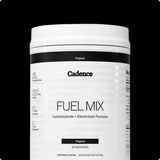
The Cadence Fuel Mix supports the 60-90 g/h multiple transportable carbohydrate target, suitable for pre-match and in-match use at half time and during the new hydration breaks. The Fuel Gel is the perfect addition as a top up for players who need to push boundaries.
Cooling
Why Cooling Matters
During exercise, around 70-80% of energy produced by working muscles is released as heat rather than converted to mechanical work. For a player sprinting, pressing and recovering over 90 minutes in 35°C heat, thermal accumulation is relentless. Every 1°C change in muscle temperature alters contractile performance by approximately 2-5%, and fatigue becomes increasingly likely as core temperature approaches 40°C.
The logic behind cooling interventions is simple: lower the starting body temperature before exercise and the player has more thermal headroom before reaching performance-limiting temperatures.
Pre-Cooling
Bongers et al. (2017) found pre-cooling improved exercise performance in conditions above 30°C by 5.7 ± 0.9% (effect size 0.44). Yu et al. (2024), in a meta-analysis of 15 randomised controlled trials, found a significant overall improvement in time to exhaustion with pre-cooling (SMD = 0.73, p < 0.0001), with external cooling methods producing the largest effects (SMD = 1.01, p < 0.0001).
In practice, teams will draw from a hierarchy of pre-cooling tools:
-
Ice vests or jackets worn during the warm-up and removed at kick-off. In elite rugby research, ice vests reduced post-warm-up core temperature by 0.7°C.
-
Ice slurry ingestion 20-30 minutes before kick-off and again at half time, shown to reduce core temperature by 0.43-0.55°C.
-
Cold water immersion (5-15°C, under 30 minutes) before the warm-up.
-
Ice buckets for hand and arm immersion at the bench, a practical and low-cost pitchside intervention.
In-Play and Half-Time Cooling
Pre-cooling benefits dissipate within around 20-25 minutes of exercise, so in-play cooling is not optional. Bongers et al. (2017) found cooling during exercise improved performance by 9.3% (ES = 0.35). Within the FIFA hydration break, the most practical options are:
-
Cold electrolyte-carbohydrate drinks that simultaneously hydrate, fuel and cool.
-
Carbohydrate-electrolyte ice lollies (frozen Cadence Fuel Mix) at pitchside and during the official break.
-
Ice towels applied to the neck, forehead and forearms. Neck cooling alone has been associated with 5.9-13.5% improvements in running performance.
-
Large fans at the technical area and bench during breaks and substitution windows.
Esh et al. (2026) reported that combining 5°C drinks with cooling towels during breaks produced a 0.23°C greater reduction in core temperature in the second half and 0.32°C lower final core temperature at full-time, alongside greater high-speed running in the second half.
Half-time is the widest cooling window in the match. Best practice will combine cold drinks, ice slurry ingestion where available, cold towels or ice vests to large muscle groups and the neck, and an air-conditioned changing room with large fans, all initiated within the first few minutes of the break.
Menthol: A Simple Sensory Boost
Menthol does not lower body temperature, but it activates cold receptors in the mouth and throat, creating a perception of coolness that is nonetheless performance-relevant. Vogel et al. (2022) found a 0.5% menthol carbohydrate gel produced a strong cooling sensation lasting 12-20 minutes with no GI distress, even in Olympic and World Championship-level athletes. Prior research cited in that paper reported performance improvements of 2.3-9% with oral menthol in the heat.
A menthol-enhanced carbohydrate gel or drink at the FIFA hydration break or before the second half combines carbohydrate delivery with improved thermal comfort across the critical opening phase of the second half. As always, trial it in training before competition.
Supplements
The supplement landscape is crowded and often overstated. For hot-weather tournament football, three supplements are genuinely supported by the evidence.
Glycerol
Glycerol at approximately 1-1.2 g/kg combined with around 26 ml/kg of fluid in the days and acute 60-90 minutes before a match acts as an osmotic agent, retaining fluid in the body and expanding total body water. Meta-analytic evidence supports a small but consistent performance benefit (ES approximately 0.35) alongside reductions in core temperature and perceived thirst during exercise. It is particularly relevant for players facing the highest sweat environments, and is recommended by the Australian Institute of Sport as an evidence-supported heat performance strategy. Combining glycerol with sodium enhances fluid retention further.
Caffeine
Caffeine at around 3 mg/kg improves intermittent sprint capacity, reduces perceived effort and supports technical performance. It remains one of the most reliably evidence-supported ergogenic aids in sport. The caveat in hot conditions is that a meta-analysis by Peel et al. (2025) found caffeine significantly raises core temperature in the heat (+0.44). In an environment already defined by extreme thermal stress, this warrants careful management. The solution is not to abandon caffeine; it is to pair it with taurine.
Taurine
Taurine is a sulphur-containing amino acid found naturally in meat and seafood, abundant in skeletal muscle. The evidence around its role in heat physiology has been building for several years. In 2025, a landmark meta-analysis clarified the picture.
Peel et al. (2025) analysed 124 peer-reviewed studies across three separate sub-analyses covering core temperature, whole-body sweat rate and local sweat rate. Taurine was the only supplement to significantly reduce peak core temperature during exercise in the heat (Hedges' g = -0.66, p = 0.043), and produced the largest positive effect on whole-body sweat rate of any supplement tested.
The mechanism appears to involve taurine acting on GABA and glycine receptors in the hypothalamus, lowering the threshold at which sweating is triggered. Earlier onset of sweating, greater sweat gland recruitment and more efficient evaporative cooling are the result.
Perhaps most useful practically: Yu et al. (2024) showed that when caffeine and taurine were co-ingested, taurine negated caffeine's thermogenic effect entirely. The combined impact on core temperature was trivial. Players can retain the ergogenic benefit of caffeine and manage the heat risk at the same time.
Acute protocol: approximately 3-4 g (50 mg/kg bodyweight) taken two hours before exercise. An 8-day loading protocol also demonstrates benefits. Because taurine increases sweat output, hydration strategies must be adjusted upward accordingly.
Practical Recommendations
Individual sweat rate and sodium testing should be completed before the tournament to personalise fluid and electrolyte targets. All supplement and cooling strategies should be trialled in training before competition.
|
PHASE |
HYDRATION & ELECTROLYTES |
FUELLING |
COOLING |
SUPPLEMENTS |
|
NIGHT BEFORE |
Increase fluid intake; sodium-rich dinner |
6-8 g/kg carbohydrate; glycogen loading meals |
Cool sleeping environment; air-conditioned hotel |
Not applicable |
|
MATCH MORNING |
Confirm euhydration (pale urine); 500 ml electrolyte drink with breakfast |
1-3 g/kg carbohydrate 3-4 hours before kick-off |
Cool environment; avoid unnecessary heat exposure |
Taurine ~3-4 g (50 mg/kg) 2 hours before kick-off |
|
PRE WARM-UP |
500 ml electrolyte fluid; glycerol 1-1.2 g/kg for high-sweat players |
Light carbohydrate snack if appetite allows |
Cold water immersion (5-15°C, under 30 min) if available |
Caffeine 3 mg/kg co-ingested with taurine; glycerol for sweat-loss management |
|
WARM-UP |
200-300 ml cold fluid as tolerated |
Carbohydrate gel immediately pre-match if needed |
Ice vest throughout warm-up; remove at kick-off; ice buckets at bench for hand and arm immersion |
Menthol gel (0.5%) before kick-off for 15-20 min thermal comfort effect |
|
IN-PLAY |
Bottles at corners, goals and technical area; use all dead-ball opportunities |
Sips of carbohydrate drink; energy gel at goal kicks or throw-ins |
Large fans at technical area; ice bucket at bench; misting where available |
Not applicable |
|
FIFA BREAK (30 MIN) |
200-400 ml cold electrolyte solution (e.g. Core 500 RTD); electrolyte ice lolly |
20-30 g carbohydrate via gel or drink; Fuel Mix pre-mixed in bottle |
Ice towel to neck and forearms; cold drink serves dual cooling role; misting fans |
Menthol gel to enhance thermal comfort |
|
HALF-TIME |
300-500 ml electrolyte drink; sodium-rich snack for cramp-prone players |
20-40 g carbohydrate via drink or gel; initiate within first 5 min of break |
Ice slurry ingestion; cold towels to muscle groups and neck; air-conditioned changing room |
Not applicable |
|
FIFA BREAK (75 MIN) |
200-400 ml cold electrolyte drink |
20-30 g carbohydrate via gel or drink |
Ice towel; ice bucket arm immersion at bench |
Not applicable |
|
EXTRA TIME |
Electrolyte drink; reassess fluid deficit |
0.7 g/kg carbohydrate gel before extra time; +29% dribbling precision demonstrated in research |
Ice towels; cold drinks; ice bucket at bench |
Not applicable |
|
POST-MATCH |
150% of fluid mass deficit with electrolytes; avoid plain water alone; begin within 20 min of final whistle |
1-1.5 g/kg/h carbohydrate for 4 hours; co-ingest protein; milk is an excellent recovery choice |
Cold water immersion (5-15°C, under 30 min); air-conditioned recovery room; cold towels |
Not applicable |
An Integrated Strategy, Not Isolated Interventions
The most important takeaway from this evidence is that hydration, fuelling and cooling cannot be managed as separate concerns. They interact at every level. Dehydration accelerates glycogen depletion. Elevated core temperature increases carbohydrate dependence. Glycogen depletion amplifies effort perception and impairs decision-making. A player arriving at half-time dehydrated, glycogen-depleted and overheated is not facing three problems. They are facing one compound problem where each element makes the others worse.
Mougin et al. (2025) make the point directly: cooling, hydration and fuelling should be viewed as a single performance strategy rather than separate interventions. The teams that act on that understanding, with individualised sweat profiles, structured carbohydrate periodisation, layered cooling protocols and evidence-based supplementation including taurine, will carry a genuine physiological advantage through a tournament where the environmental conditions are, for many squads, the most dangerous opponent on the schedule.
The 2026 FIFA World Cup will be won by the best football team. But it may well be lost by teams that underestimated the science required to survive the conditions to play it.