














The long runs, the tempo sessions, the early mornings and months of training are complete. But as race day approaches it's the fuelling decisions you make in the 48 hours before the start line that matter most.
Most runners understand that carbohydrates fuel performance. Not many understand how to deliberately and strategically maximise those fuel stores in the days before a race or why getting it wrong is one of the most common and costly mistakes in endurance sport.
This guide covers everything you need to know about carbohydrate loading: what the science actually says, why so many runners get it wrong, how to overcome the practical challenges, and exactly what and when to eat to load properly.
What Is Carbohydrate Loading (and What It Isn't)
Carbohydrate loading, technically referred to as glycogen supercompensation, is a planned, strategic increase in dietary carbohydrate intake in the days before competition, with the specific goal of maximising muscle glycogen stores ahead of race day. As we have described in previous blogs, your muscle and liver have small petrol tanks where carbohydrate is stored. When you eat carbohydrates these stores fill up. When you train, particularly at higher intensities and for prolonged periods these stores decline.
The concept has been understood since the 1960s, when Bergström and colleagues first demonstrated that a glycogen-depleting bout of exercise followed by a high-carbohydrate diet could roughly double muscle glycogen concentrations. This phenomenon was referred to as supercompensation. Since then, the science has been refined considerably. Contemporary nutrition guidelines recommend consuming 10–12g of carbohydrate per kilogram of bodyweight per day for 36–48 hours before endurance events lasting more than 90 minutes. Research by Bussau et al. (2002) demonstrated that even a single day of high carbohydrate intake at 10g/kg, combined with reduced activity and no exercise, can bring athletes close to maximal muscle glycogen concentrations, confirming that the loading window doesn't need to be lengthy if it's done correctly. Although in reality most runners will not remain completely inactive the day before a race, so a 48-hour approach might be more advantageous.
But here's where many runners go wrong. Carbohydrate loading is not:
Pizza night: loaded with mozzarella, fatty toppings and a thick crust is high in fat alongside its carbohydrate content. Fat slows gastric emptying, competes with carbohydrate for gut space, and does not contribute to glycogen synthesis.
A takeaway: burgers, doughnuts, pastries, fried foods are all examples of what should not feature in a carbohydrate loading plan. They are high in fat and their carbohydrate content is far lower than it appears relative to the calories they deliver.
Eating more of everything: true carbohydrate loading means strategically increasing carbohydrate while simultaneously reducing fat, protein and fibre intake to make room for it.
Carbohydrate loading is a precision nutrition strategy. And like any precision strategy, it only works when it's executed correctly.
What the Latest Research Actually Shows
A recent study directly compared three different carbohydrate intakes 6, 8 and 10g per kilogram of bodyweight per day in endurance-trained individuals who continued to train during the loading period, rather than resting completely. This distinction matters enormously, because it reflects what most runners actually do during race week.
The findings were striking. Only the 10g/kg/day group achieved significantly higher muscle glycogen concentrations compared to all other diet conditions, reaching 635.5 mmol/kg dry mass versus 460.9 and 506.1 mmol/kg dry mass in the 6 and 8g/kg/day groups respectively. There was a strong, linear dose-response relationship, with more carbohydrate consistently producing more stored glycogen, with no ceiling or plateau detected at any of the doses tested. That leaves the question: could more be even better?
The increase in muscle glycogen at 10g/kg/day represented 172% above baseline, a substantial physiological advantage entering race day. This is the equivalent of going to the petrol station and filling up on gas ahead of a long drive. Critically, no negative effects on body mass or gastrointestinal function were detected, with the exception of increased stomach fullness at the highest intake, which is addressed in detail below.
This sits alongside a broader body of evidence on the importance of glycogen for endurance performance. Costill and Hargreaves (1992) established decades ago that fatigue during prolonged exercise is closely tied to muscle glycogen depletion and low blood glucose. More recent reports have quantified the consequences further. Declining muscle glycogen to just 100 mmol/kg dry weight before exercise has been shown to reduce performance at high intensity by 20–50%. Muscle and liver glycogen combined account for only approximately 4% of the body's total energy reserves. A sobering figure that underlines just how finite and precious these stores are, and how important it is to go into a race with them as full as possible.
Stellingwerff and colleagues (2019), writing in the International Journal of Sport Nutrition and Exercise Metabolism, reinforced that carbohydrate availability is one of the most critical determinants of endurance performance across all event distances and that maximising stores before competition is a non-negotiable cornerstone of evidence-based race preparation.
The science is unambiguous. If you are running at race pace for more than 90 minutes, strategic carbohydrate loading at 10g/kg/day for 24-48 hours is among the highest-value nutritional interventions available to you.
The Fear That's Holding Runners Back
Despite the evidence, many runners still fear such elevated intakes of carbohydrate. The reason, almost universally, is linked to concerns of gaining weight or body fat.
This is one of the most widespread and performance-damaging misconceptions in recreational running. And it needs to be addressed directly here.
Jones et al. (2026) found no significant difference in body mass between runners consuming 6, 8 or 10g/kg/day of carbohydrate. The fear of gaining fat from a 48-hour carbohydrate load is simply not supported by the evidence. In fact short-term carbohydrate overfeeding simply increases carbohydrate oxidation and energy expenditure, so you burn more calories and carbohydrates.
What can happen is a very small increase on the scales, and this requires a thorough explanation rather than alarm. Glycogen is stored with water, with research suggesting that approximately 3–4g of water is bound to every gram of glycogen stored. This means that a fully loaded runner may weigh slightly more on the morning of race day than usual. This is not fat. This is stored fuel and its associated water, which is precisely what you want going into a race. Again, refer back to the car and petrol analogy. If you fill your car with petrol, naturally it will gain weight. When that glycogen is burned during the run, the bound water is released and contributes to your in-race hydration.
Runners who restrict carbohydrates before a race to avoid this small scale fluctuation are, in effect, choosing to start the race with a half-empty fuel tank. The performance consequence of that decision is far more costly than any temporary change in body weight.
To be clear: dietary fat causes fat storage. Strategic short-term carbohydrate loading over 48 hours does not. These are entirely different physiological processes.
Carbohydrate Loading May Also Improve Your Pre-Race Sleep
There is a benefit to carbohydrate loading that almost no one talks about, and it extends well beyond muscle glycogen.
Pre-race nights are notoriously difficult for runners. Anxiety, nerves, race logistics and the pressure of the event commonly disrupt sleep quality in the days before competition. Poor sleep before a race is one of the most universal and frustrating experiences in endurance sport and it turns out that the carbohydrates you are consuming during your loading protocol may actively help.
Vlahoyiannis and colleagues (2021) examined the effects of carbohydrate intake on sleep across 11 studies and 27 nutrition trials. Higher carbohydrate intake was associated with significantly prolonged REM sleep duration and proportion compared to lower carbohydrate intake. The proposed biological mechanism is well-grounded: carbohydrate consumption elevates plasma insulin, which drives large neutral amino acids into peripheral tissues, raising the relative concentration of tryptophan in the blood. Tryptophan crosses the blood-brain barrier more readily, increasing serotonin synthesis, which is itself a precursor of melatonin, the hormone that governs sleep onset and continuation.
The review also found that carbohydrate quality and glycaemic load significantly influenced sleep efficiency and waking after sleep onset. Higher glycaemic load meals were associated with improvements in sleep initiation in several included studies, which is particularly relevant, since the easily digestible, moderate-to-high glycaemic index carbohydrate sources recommended during loading (white rice, white bread, fruit juice, sports drinks) are precisely the kinds of foods that may support better sleep in the nights before your race.
Cao et al. (2025) also note that competitive anxiety triggers stress hormone release which can accelerate glycogen depletion and impair carbohydrate absorption, making deliberate pre-race loading even more important as a buffer against the metabolic cost of race-week nerves.
While the relationship between carbohydrate and sleep is promising and mechanistically well-supported, it is worth noting that this is an emerging area of research and individual responses will vary. But the implication is meaningful: your loading strategy may be doing double duty filling your muscle glycogen tank for race day and helping your body get the restorative sleep it needs to perform at its best.
Solving the Fullness Problem
The main practical barrier to carbohydrate loading at 10g/kg/day is the sheer volume of food required and the resulting sensation of fullness. Jones et al. (2026) confirmed that increased stomach fullness was the only notable GI side effect at the highest carbohydrate dose and it was generally mild. But for many runners, it remains a real obstacle.
The solution is not to eat less carbohydrate. The solution is to opt for foods with a higher concentration of carbohydrate and deliberately reduce other dietary components that compete for gut space and digestive capacity.
Reduce fat: fat is calorically dense and dramatically slows gastric emptying. A meal high in fat takes far longer to leave the stomach than a low-fat carbohydrate meal, creating a feeling of fullness that limits how much carbohydrate you can eat. This is precisely why pizza, cream sauces and butter-laden foods are counterproductive during loading. They fill you up without filling your glycogen stores.
Reduce protein: keep protein intake moderate during the loading window. Excessive protein adds caloric bulk and slows digestion without contributing meaningfully to glycogen. You do not need to eliminate protein, but this is not the time to prioritise high-protein meals.
Reduce fibre: high-fibre foods such as whole grains, vegetables, legumes and pulses create significant gut bulk, slow absorption and can cause bloating and discomfort, particularly when eaten in the large quantities required during loading. Switch to low-fibre alternatives: white rice instead of brown, white bread instead of wholegrain, white pasta, peeled and mashed potatoes. The carbohydrate content is comparable; the digestive burden is vastly lower.
Reduce FODMAPs: fermentable oligosaccharides, disaccharides, monosaccharides and polyols — collectively known as FODMAPs — are carbohydrates that are poorly absorbed in the small intestine and fermented by gut bacteria, producing gas, bloating and discomfort. Common high-FODMAP foods include onions, garlic, apples, pears, watermelon, legumes (beans, lentils, chickpeas), cauliflower, mushrooms and certain wholegrains. Temporarily avoiding these in the 48 hours before a race significantly reduces the risk of gut distress on race morning and during the event itself.
Current evidence encourages endurance athletes to consume familiar, easily digestible foods that are low in fat and dietary fibre in the 48 hours before competition to avoid gastrointestinal distress. This approach, deliberately creating space for carbohydrate by reducing everything else, is how you reach the recommended targets without feeling uncomfortably full and without compromising gut comfort on race day.
Why Supplemental Carbohydrate Sources Are Evidence-Based, Not Just Convenient
Even with the best whole food strategy, hitting 700g or more of carbohydrate per day creates significant dietary volume. For a 70kg runner, that is the equivalent of approximately 14 large portions of cooked white rice, across two consecutive days, alongside continued light training. For many runners, the volume of food required from whole food sources alone becomes its own GI problem.
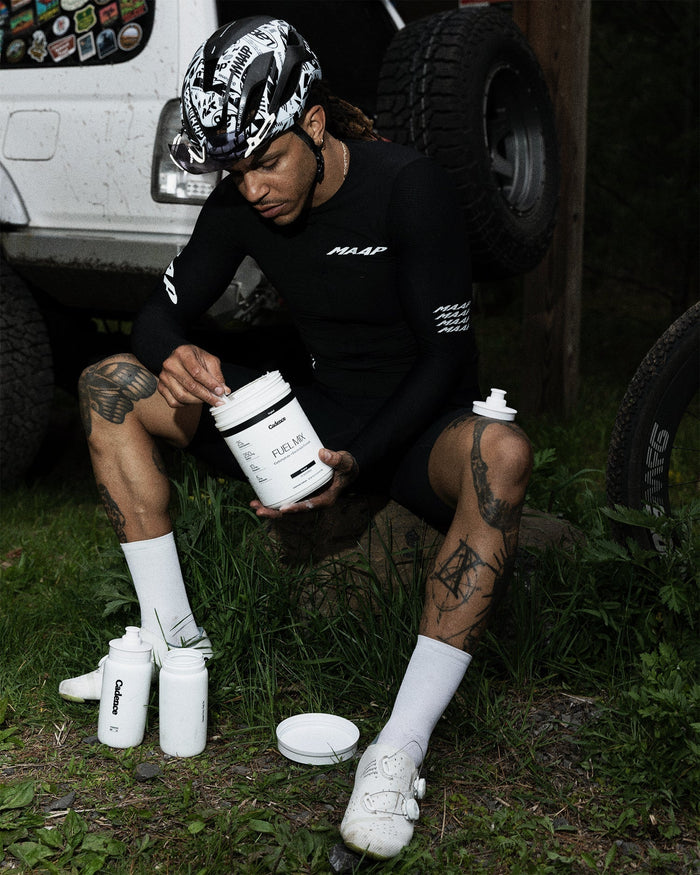
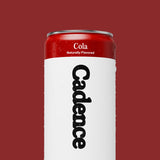
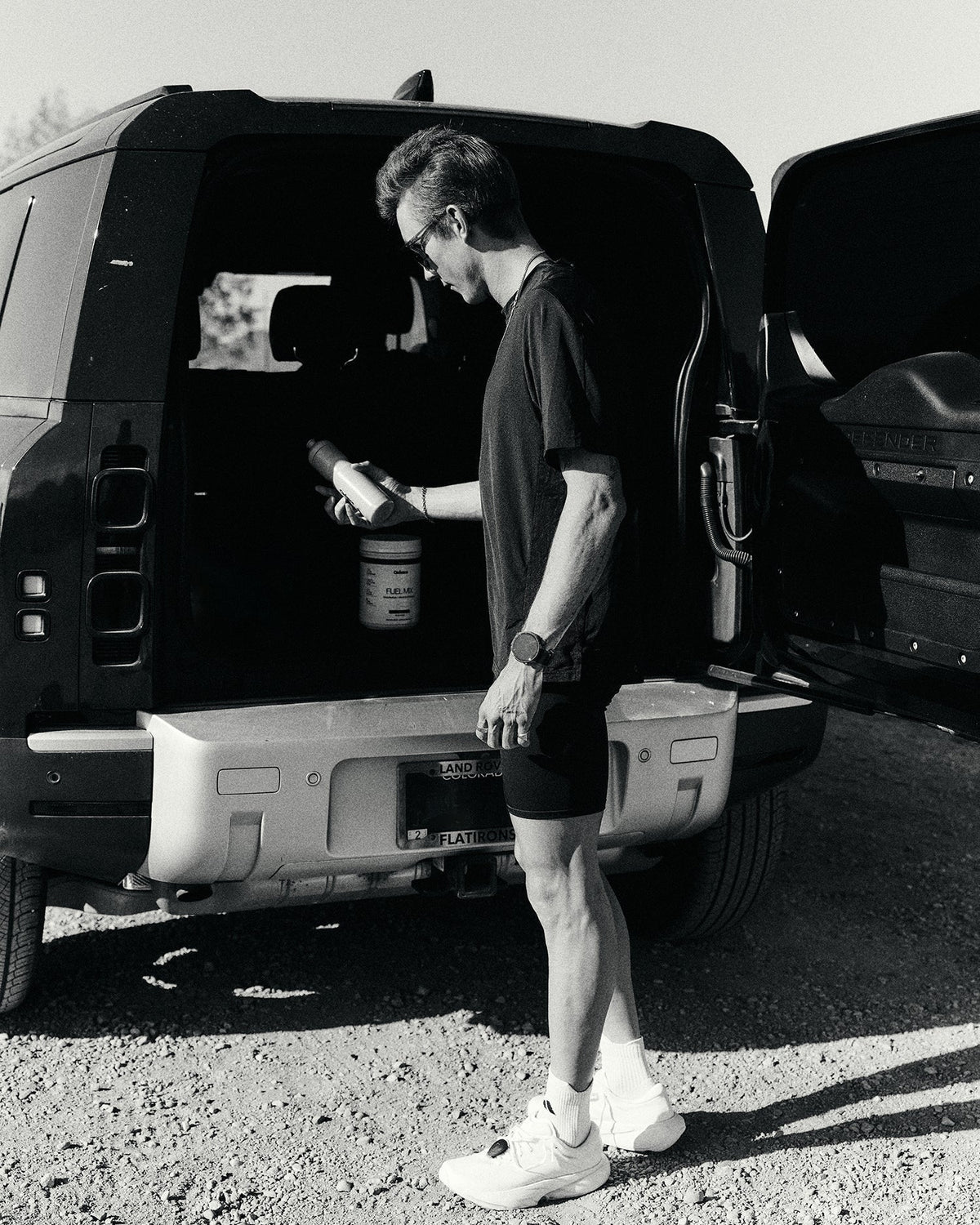
This is where the evidence makes a strong case for incorporating supplemental carbohydrate sources during the loading period. Cadence athlete Charlie Lawrence regularly refers to his use of Fuel Mix as a practical and convenient way to add 50-75 grams of carbohydrate at breakfast.
A study directly comparing food versus supplemental carbohydrate sources in endurance athletes reported more gastrointestinal symptoms with food compared with supplemental sources. Performance outcomes were equivalent between the two - meaning supplements do not compromise glycogen synthesis. But they significantly reduce gut discomfort. For a runner trying to consume very large amounts of carbohydrate across 48 hours before a race, this is not a trivial distinction.
Carbohydrate supplements - powders, gels and similar formats - reduce digestive load while delivering high doses of rapidly absorbed carbohydrate. They are a practical and scientifically supported tool for achieving loading targets without the bloating and discomfort that high-volume whole food approaches can produce.
Supplemental carbohydrates are not a shortcut. They are a precision instrument that allows runners to hit their evidence-based targets while protecting gut comfort, the same gut comfort that needs to be in good shape on race morning.
What 10g/kg/Day Actually Looks Like in Practice
For a 70kg runner, the target is 700g of carbohydrate per day across two loading days. This requires planning, multiple eating occasions throughout the day, and deliberate food choices. Here is how to structure it.
Foods to build your loading days around: white rice, well-cooked white pasta, white bread, puffed white rice cereal, rice cakes, ripe bananas, fruit juice (orange, apple, beetroot - more on that in another blog), boiled, baked or mashed potatoes without the skin, white bagels, cornflakes and low-fibre cereals, honey, jam, jelly sweets, sports drinks and isotonic beverages.
Foods to deliberately reduce or avoid during the loading window: nuts, seeds, cooking oils and butter in excess, fatty meats, full-fat dairy, high-fibre vegetables (broccoli, cauliflower, Brussels sprouts, kale), legumes of all kinds (beans, lentils, chickpeas), onions, garlic, apples, pears, watermelon, high-fructose stone fruits. In short, anything high in fat, protein, fibre or FODMAPs.
Example loading day for a 70kg runner (target: 700g CHO)
|
Meal |
Food |
Approx. CHO |
|
Breakfast |
Large bowl of puffed rice cereal with banana and honey + 300ml orange juice |
~120g |
|
Mid-morning |
2 slices white bread with jam + 1 serving of Fuel Mix |
~80g |
|
Lunch |
Large portion white rice with lean chicken or tuna and sweet chilli and honey sauce, glass of beet juice |
~120g |
|
Afternoon snack |
4 rice cakes with jam + 1 ripe banana |
~60g |
|
Supplement |
Cadence Fuel Mix Carbohydrate Powder (2-3 servings mixed in water) |
~50–75g |
|
Dinner |
Large serving white pasta with low-fat tomato sauce, white bread roll + apple juice |
~175g |
|
Evening snack |
Cadence Core 40 Fuel Bar + 200ml apple juice |
~70g |
|
Total |
~650–700g |
Even with this structure, hitting the upper end of 700g from whole foods alone is genuinely challenging for most runners. This is where Cadence products fill a critical gap, providing concentrated carbohydrate without fibre, fat or FODMAPs, in formats that are easy on the gut and simple to incorporate throughout the day.
Cadence Fuel Mix provides a concentrated, gut-friendly source of carbohydrate. The cleanest and most convenient way to add significant carbohydrate grams to any meal or snack window.
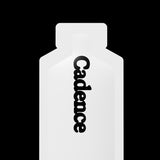
Cadence Fuel Gel delivers concentrated, rapidly absorbed carbohydrate in a format that is exceptionally gentle on the digestive system. An ideal addition as a snack between meals or in the final hours before the start line, when solid food becomes less practical and gut comfort is paramount.
Cadence Fuel Bar provides 40g of carbohydrate in a structured, easily digestible format. A practical afternoon or evening loading snack that delivers meaningful carbohydrate without the gut burden of high-fibre, high-fat whole food alternatives.
Race Morning: The Final Top-Up
Race morning is not the time to start your carbohydrate strategy. It is time to complete it.
Liver glycogen - the body's blood glucose reservoir - depletes substantially during an overnight fast of 8–10 hours. Even a runner who loaded perfectly across the preceding two days can arrive at the start line with compromised liver glycogen stores if they skip breakfast or eat the wrong foods on race morning.
Omitting a carbohydrate-rich breakfast will impair liver glycogen and compromise performance even when muscle glycogen is fully loaded. Jones et al. (2026) included a pre-race breakfast of 2g/kg of carbohydrate on race morning in their protocol, underscoring its importance in the complete loading strategy.
Not all carbohydrates replenish liver glycogen equally. This is one of the most underappreciated distinctions in pre-race nutrition, and the science behind it is compelling.
Glucose - and starch that breaks down into glucose - is absorbed efficiently in the small intestine and directed predominantly towards muscle glycogen synthesis. The liver, by contrast, has a strong preference for fructose and galactose. These sugars follow entirely different metabolic pathways that route them preferentially to the liver, where they are converted into liver glycogen with high efficiency.
Research has shown that fructose and galactose were twice as effective as glucose at restoring liver glycogen. The practical implication for race morning is clear: including fructose and galactose-containing foods alongside your glucose-based carbohydrate sources is a targeted strategy to maximise liver glycogen - and therefore blood glucose stability - during the early stages of your race. This is not an abstract physiological detail. It is the difference between starting the race with your liver glycogen tank full or half-empty.
Fructose-rich foods to include on race morning:
-
Orange juice: low-fibre, easy to digest, naturally high in fructose; a large glass (300ml) delivers approximately 13–15g of fructose alongside glucose. It is one of the most practical pre-race carbohydrate sources available
-
Ripe banana: contains glucose, fructose and sucrose (which is 50% fructose); easy to digest, widely tolerated and practical to carry to a race start
-
Honey: a natural blend of fructose and glucose; easily added to puffed rice cereal or rice cakes or spread on white toast; one tablespoon provides approximately 8–9g of fructose alongside glucose
-
Jam sandwich (white bread): fruit preserves are made from sucrose, which the body splits into fructose and glucose; combined with white bread, this provides a fast-digesting mixed carbohydrate source that targets both muscle and liver glycogen simultaneously
Galactose-rich foods to include on race morning:
-
Low-fat milk: the sugar in milk is lactose, which the body splits into glucose and galactose. A glass of low-fat milk alongside breakfast provides a meaningful galactose contribution for liver glycogen synthesis without significant fat load
Glucose and starch sources to anchor the meal: White toast, white bagel, puffed rice cereal or cornflakes — these form the volume of the meal and contribute to overall carbohydrate intake and muscle glycogen top-up.
A practical race morning breakfast for a 70kg runner (target: ~2g/kg = 140g CHO)
|
Food |
Approx. CHO |
Notes |
|
2 slices white toast with honey and jam |
~60g |
Mixed glucose and fructose |
|
1 ripe banana |
~25g |
Mixed sugars including fructose |
|
1 large glass orange juice (300ml) |
~30g |
Fructose-rich, easily digested |
|
1 small glass low-fat milk (200ml) |
~10g |
Galactose source for liver glycogen |
|
Cadence Core Gel (if appetite is suppressed, 60–90 min before start) |
~22g |
Rapidly absorbed, gut-friendly |
|
Total |
~147g |
Key race morning timing principles:
-
Consume your main meal 2–3 hours before the race start to allow adequate digestion and gastric emptying
-
Avoid high-fat foods, high-fibre foods and high-FODMAP ingredients that slow emptying or cause GI distress
-
If nerves are suppressing your appetite - a very common experience - liquid and gel-based carbohydrates (orange juice, Cadence Fuel Mix, Core Gel) are far more practical than solid food and still deliver fructose and glucose effectively
-
Avoid a large carbohydrate bolus in the 30–60 minutes immediately before the race start. A sudden spike in blood glucose at this point can trigger reactive hypoglycaemia. Small amounts of familiar carbohydrate in this window are fine; a large meal is not
The Complete Carbohydrate Loading Checklist
48 hours before race day:
-
Take your body weight in kg and multiply by 10 to get your carbohydrate target in grams.
-
Choose low-fibre, low-fat, low-FODMAP carbohydrate sources: white rice, white pasta, white bread, bananas, fruit juice, rice cakes, refined cereals, sports drinks
-
Actively reduce fat, protein and fibre to create digestive room for carbohydrate
-
Avoid junk food: the fat and protein content undermines the strategy
-
Use Cadence Fuel Mix to close the gap between food intake and your target without adding gut burden
-
Use the Cadence Fuel Bar as a structured afternoon or evening snack to add carbohydrate without fibre or fat
-
Don't fear the scale: any weight increase is stored fuel and water, not fat
Race morning:
-
Eat 2–3 hours before the race start
-
Include fructose-rich foods (orange juice, banana, honey, jam) to preferentially replenish liver glycogen
-
Include a galactose source (low-fat milk or yoghurt) alongside your meal
-
Keep the meal low in fat, fibre and FODMAPs
-
Use a Cadence Fuel Gel in the final 60–90 minutes before the start if appetite is low or nerves make solid food impractical
-
Avoid a large carbohydrate load in the 30 minutes immediately before the gun