


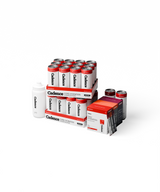

 Q&A with our Nutrition Advisor
Fuel · Before your next long run
Feel Flat? You Started Fuelling Too Late.
Matt answers the five fuelling questions runners ask him most. Use them as starting points, then adjust to how you feel.
Order confirmed. Your nutritionist left you some notes.

Matt Jones
Nutrition Advisor, Cadence
Sports nutritionist who played his part in the Boston Celtics winning the 2024 NBA championship, and Head of Nutrition to the UAE Football Association.
One quick tap
How long is your next long run?
Question 1 of 5
“Do I need to fuel during a run, and when should I start?”
Matt JonesNutrition Advisor
It depends on how long and how hard. Past an hour, start early.
Under 1 hour
Eat well beforehand. No fuel needed.
0 g
1 to 2 hours
A modest amount.
≤30 gan hour
2 hours or more
Build towards this.
60 to 90 gan hour
Race specific
Consider pushing to this.
90 to 120 gan hour
When to take your first fuel
Fuel before you feel flat.
By the time you feel flat, you're already behind.Question 2 of 5
“How many carbs per hour should I aim for?”
Matt JonesNutrition Advisor
60 to 90 g an hour for most athletes. 90 to 120 g once your gut is trained.
Pushing to 90 to 120 g can help performance, but only after 6 to 8 weeks of training your gut. Here's what each target looks like in your kit.
Build your hour
Your hour
49g carbs an hour
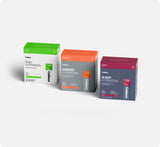
Fuel Mix 25 g per scoop. Fuel Gel 24 g per gel.
Matt's rule
Never jump to a new number on race day. Build up gradually and practise it on your long runs first.
Question 3 of 5
“Why do your products use a mix of glucose and fructose?”
Matt JonesNutrition Advisor
Two pathways in. You absorb more, with less stomach trouble.
Your gut absorbs carbs through separate pathways. Glucose on its own tops out at around 60 g an hour. Fructose uses a second pathway.
Think of a sold out festival
One entrance and the crowd crawls in. Open a second and everyone flows in faster, and more comfortably.
Glucose
Fructose
One entrance: glucose only.
Two blends, two jobs
| Fuel Mix | Fuel Gel | |
|---|---|---|
| Carbs | 25 g a scoop | 24 g a gel |
| Ratio | 2:1 | 1:0.8 |
| Sodium | 250 mg | 200 mg |
| Built for | Up to 90 g an hour | Pushing to 90 to 120 g |
Ratio is glucose to fructose. Both neutral in flavour.
Question 4 of 5
“What should I use, and when?”
Matt JonesNutrition Advisor
Treat it as a toolkit. Mix formats to suit the session.
- 1
Before the run
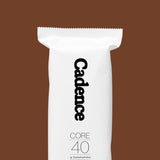
Core Fuel Bar: Real Food Carbs.
40 g from honey, dates and rice crisps. Also good on longer, steadier efforts.
See Core Fuel Bar - 2
From the first mile
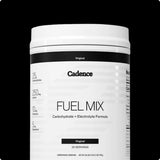
Fuel Mix: Your Fuelling Base.
Sip it from the start. One to four scoops in a 500ml bottle, depending on the session.
See Fuel Mix - 3
On the move
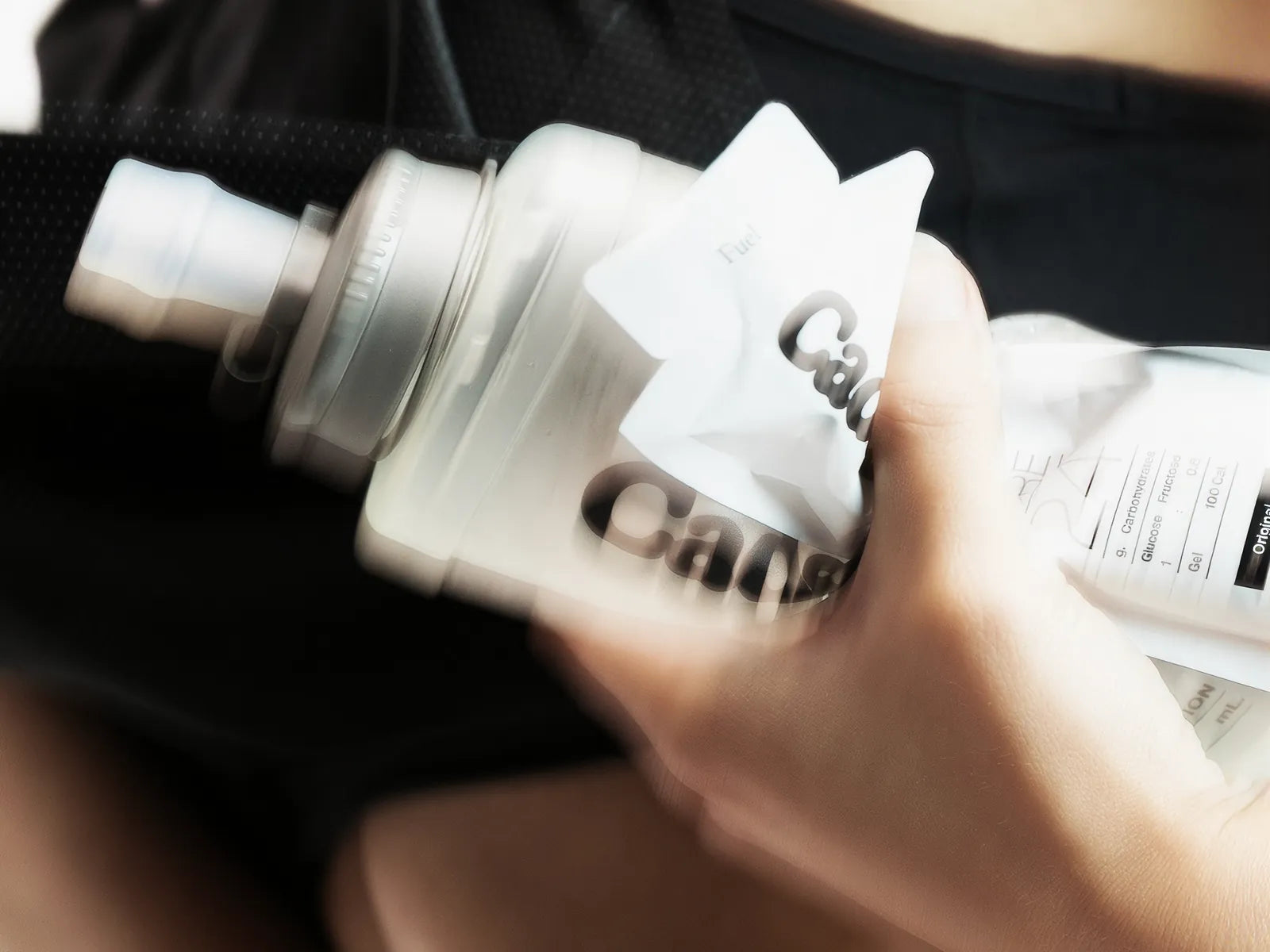
Fuel Gel: Quick Fuel When You Need More.
Use it during runs or races to top up higher fuelling needs.
See Fuel Gel - 4
After the run
Core Fuel Bar Again: Something Solid.
When you want real food carbs once you're done.
Question 5 of 5
“Won't more carbs upset my stomach, or make me gain weight?”
Matt JonesNutrition Advisor
Your stomach is trainable. And carbs aren't uniquely fattening.
Start small and build up over 6 to 8 weeks so your gut adapts. Always test race fuelling in training first.
One quick tap
When's your next race?
On weight
Carbs are the fuel your muscles and brain need to perform. Look at the best endurance athletes on the planet, then look at their diet.
Long, hard sessions need extra fuel. Start small, build it up, and adjust to how you feel. Matt
Fuel Gel · 4.9 from 193 reviews
"They're kind on my stomach and the energy they provide has made a genuinely positive difference."
Tyler F. · Fuel Gel review
Still wondering?
Ask The Team.
Send us your fuelling question and we'll get back to you by email.